

Bringing together 20 years of male suicide research
This study brings together 20 years of research to explore what may contribute to suicidal pain in men – and what may help men cope, recover and rebuild meaningful lives.
WHAT WE DID
We searched seven academic databases to find as many studies as we could focused on male suicide.
We reviewed more than 19,000 search results, identifying 78 qualitative studies that met our criteria.
Together, these studies brought together insights from more than 1,695 participants across 18 countries, including:
- Men who had experienced suicidal thoughts or attempted suicide
- People bereaved by male suicide.
By bringing the findings together, we looked for recurring patterns in what appeared to contribute to suicide risk — and what helped men cope with psychological pain and rebuild their lives.
What we found
In 96% of papers we found a potential relationship between cultural norms of masculinity and male suicide risk.
Findings suggest that certain expectations about how men should behave may, for some men, increase psychological pain while also making that pain harder to manage.
Masculine norms seemed to impact three areas of men’s lives repeatedly.
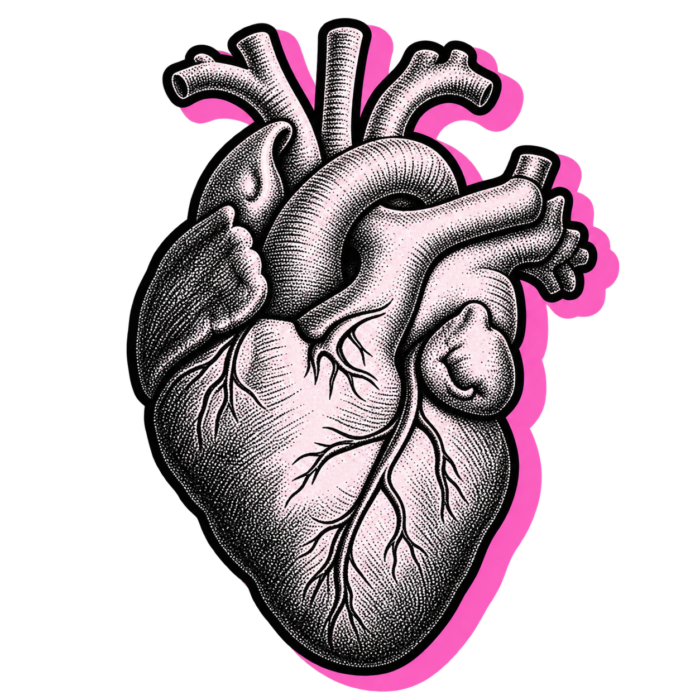
1. Emotions
Pressure to suppress distress, remain strong or cope alone may leave some men disconnected from their emotions and less able to express or regulate how they feel. Some men described turning to short-term ways of getting relief from pain – drink, drugs, sex, gambling – but these could create new problems and compound that pain over time.

2. Relationship with self
Expectations around male success may contribute to painful feelings about the self when men feel they have not lived up to those standards. Many men described feelings of failure, shame and low self-worth when they believed they had fallen short. Some also felt pressure to appear fine and maintain an image of coping, even when they were struggling deeply inside. This could create a painful gap between how a man appeared to others and how he actually felt about himself.
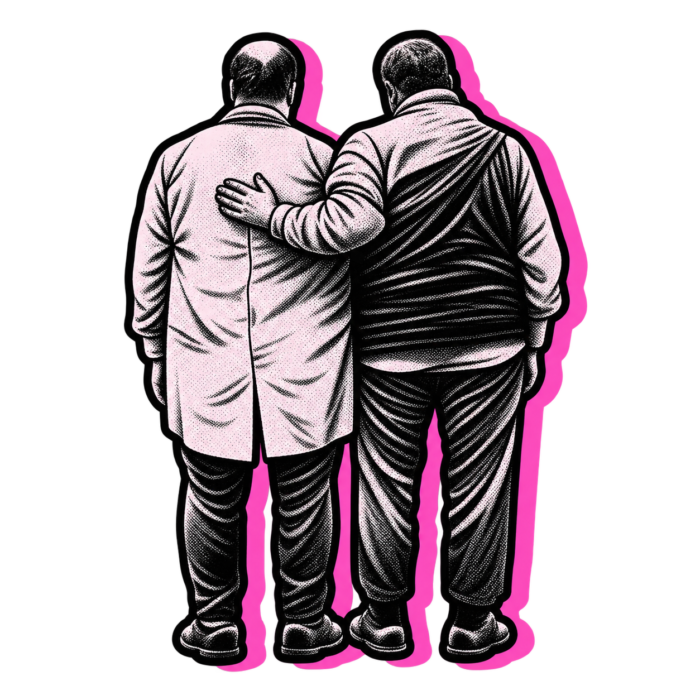
3. CONNECTIONS WITH OTHERS
Cultural expectations around male independence, self-reliance and hiding distress may make it harder for some men to build meaningful connections with other people. Some men seemed to struggle to express their relationship needs, build intimacy, trust others, cope with relationship conflict, or let others in when they were struggling.
The 3 ‘D’ Model of Male Suicide Risk

Denial, Disconnection & Dysregulation
We brought these recurring patterns together into the 3D Model of Male Suicide Risk. The model proposes that restrictive cultural norms may contribute to denial, disconnection and dysregulation across men’s emotions, sense of self and relationships with others.
As these difficulties interact, some men may experience:
- Increased psychological pain + fewer effective ways of regulating that pain
For some men, that pain may eventually become overwhelming and contribute to suicidal thoughts and behaviour.
What might help men cope and recover?
We also looked across the research for evidence about what appeared to help men manage suicidal pain.
In 78% of the studies, men appeared to manage psychological pain through learning to recognise, reconnect with and regulate their emotions, sense of self and relationships with others.
"“Emotions are there for a reason. If you bottle it up it is still there and it will take its toll on you, it just will. It’s just not good for you (…) For me it’s not about being a man or being a woman, it is about being human, and denying people their emotions is denying part of your humanity. That’s what you are doing. You’re not living fully because you’re cutting part of yourself off.”
The 3 ‘r’ Model of Male Suicide Recovery

Recognition, Reconnection & Regulation
We brought our findings together in the 3 'R' model of recovery which suggests that coping with suicidal pain may involve recognition, reconnection and regulation.
- Recognition – developing greater awareness and understanding of emotions, negative feelings of self and relationship needs.
- Reconnection – rebuilding connection with emotions, a more compassionate sense of self and meaningful relationships with other people.
- Regulation – developing healthier and more effective ways of managing emotions and pain, as well as relationship with self and others.
Together, these processes may help men regulate psychological pain and move towards a more meaningful life.
The research also highlighted the importance of emotional regulation, peer support, care and connection, compassionate professionals, broader ideas of masculinity and understanding suicidal pain within the wider context of a person’s life.
From research to action
There are no simple solutions to male suicide. Preventing suicide may require support at many levels – from personalised help for men in crisis to action on the social and cultural conditions that contribute to psychological pain.
The guide closes with practical areas for further action, including support for men at risk, gender-sensitive services, training for professionals, support for significant others, community and peer support, and population-wide interventions.
RESEARCH TEAM
- Dr Susie Bennett, University of Glasgow
- Professor Katie Robb, University of Glasgow
- Dr Tiago Zortea, University of Glasgow & Oxford
- Professor Adele Dickinson, Heriot-Watt University Edinburgh
- Dr Cara Richardson, University of Glasgow
- Professor Rory O’Connor, University of Glasgow